
Can Local Painters Help Make You Happy With Color Choice?
Paint changes a home faster than almost anything else—but the “right” color isn’t just what looks good today. The best choices are the ones that still feel comfortable after seasons change, furniture gets replaced, and lighting shifts from morning to night. Local house painters help shorten the trial-and-error by translating your style goals into colors that perform well in real rooms and on real exteriors.
What painters look at before recommending color
Color doesn’t live on a paint chip—it lives on a surface, under lighting, next to other materials. Experienced painters start by identifying what cannot (or will not) change soon, then build a color plan that works with those constants.
The “fixed features” check (especially for exteriors)
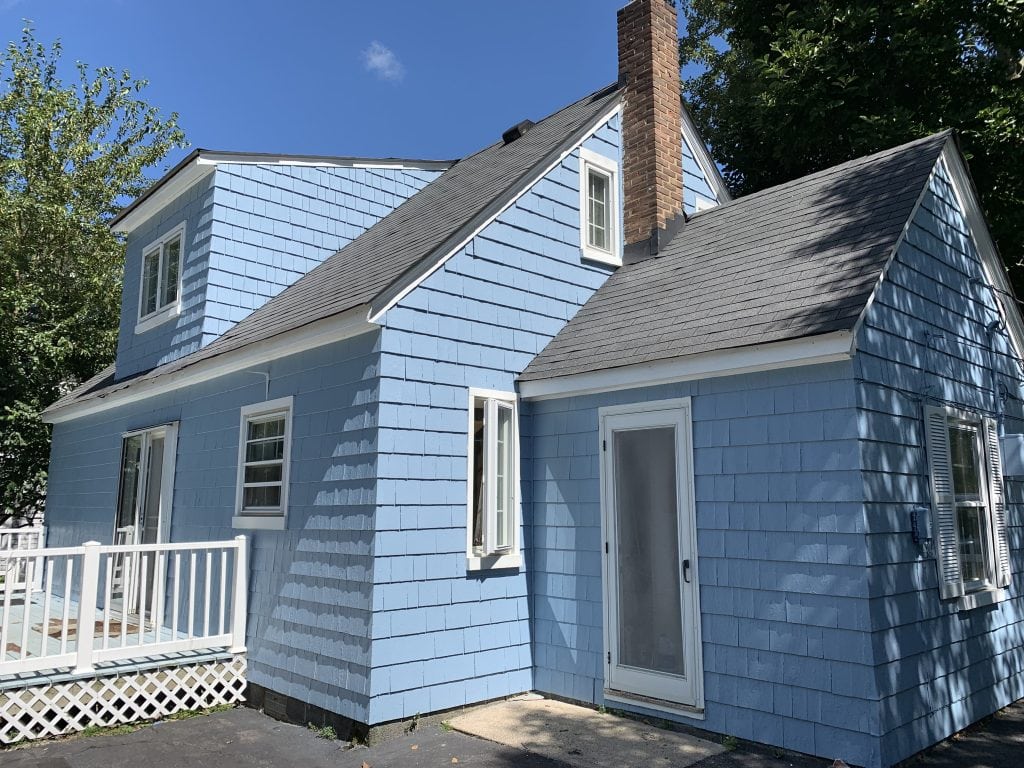
Before picking siding, trim, or door color, painters typically review permanent or expensive-to-change elements so the palette doesn’t fight the home’s bones.
-
Roof color and roof undertones (warm vs cool).
-
Brick, stone, stucco, concrete, or other masonry.
-
Walkways, steps, porches, patios, and deck materials.
-
Chimneys and other standout structures.
How to choose colors that don’t feel dated
Trends move quickly; paint should feel steady. A practical approach is to use timeless “core” colors for the largest surfaces and reserve trendier tones for accents that are easier to repaint later.
A simple, reliable palette rule
-
Main color: neutral or softened mid-tone that suits the home’s light.
-
Trim color: clean contrast that sharpens edges and frames details.
-
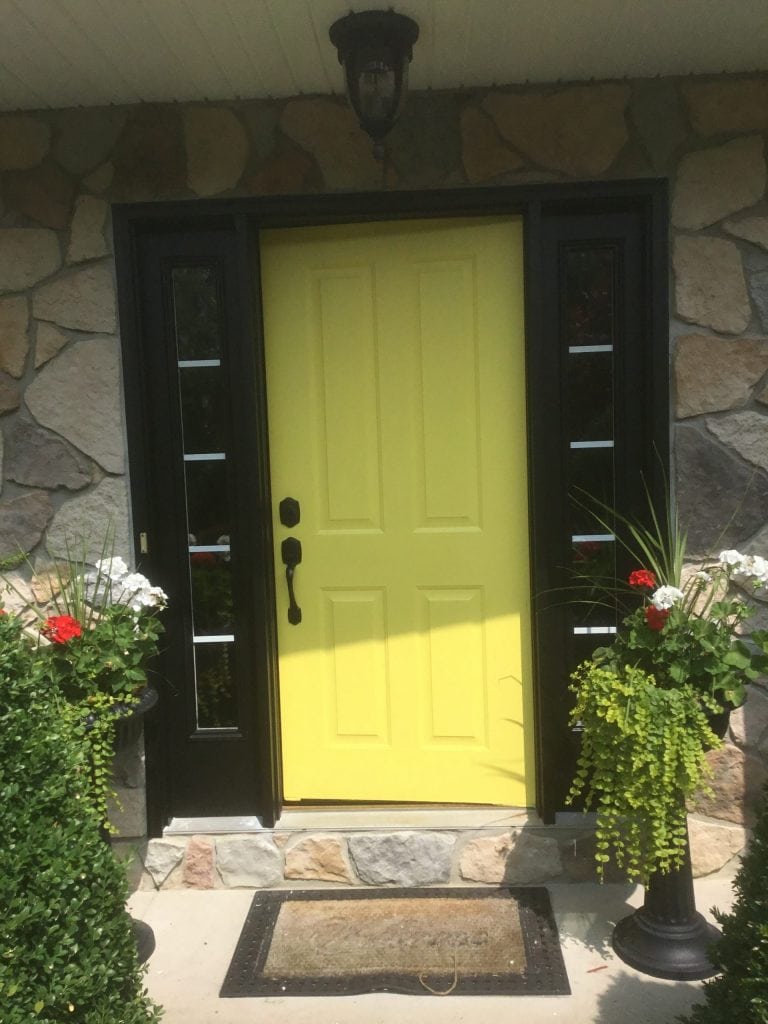
Accent color: front door and small features where personality belongs.
The color wheel—without the confusion
The color wheel can be helpful, but it’s only a starting point. Instead of overthinking “primary vs tertiary,” painters often focus on undertones (yellow/green/blue/red bias) so adjacent colors don’t clash once they’re on the wall.
Complementary vs coordinated (what works in real homes)
-
Complementary accents can add energy (ex: one strong feature color against a calmer body color).
-
Coordinated tones keep things calm (ex: shared undertones across rooms for smoother transitions).
Exterior colors: think neighborhood + visibility
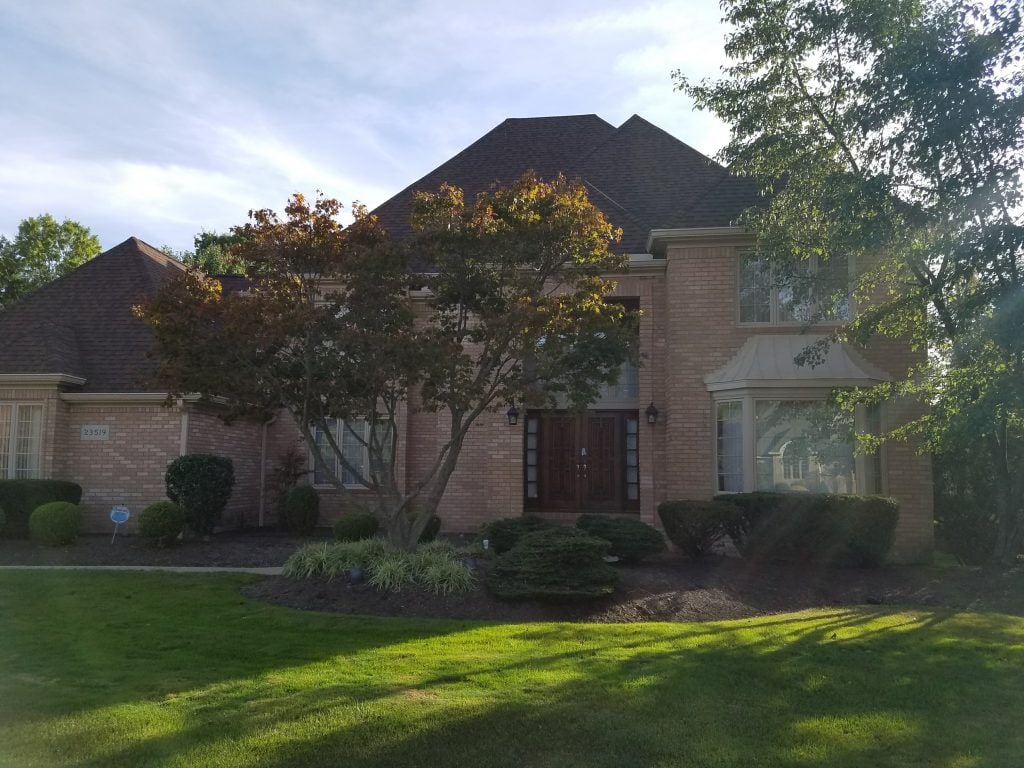
A home should fit the setting, but it shouldn’t disappear. Painters consider landscaping, shade from trees, and how your home reads from the street, then suggest contrasts that keep the architecture clear and attractive.
Examples of common “environment” issues painters solve
-
Heavy tree cover can mute mid-tone grays/greens—contrast may be needed so the home doesn’t blend into foliage.
-
Bright flowerbeds often look best against quieter backdrops so the landscaping stays the star.

Interior colors: comfort, flow, and lighting
Interior paint choices should support how the room is used—rest, focus, hosting, or high traffic. Painters can suggest hues and sheens that are easier to maintain (especially in hallways, kitchens, and kids’ spaces) while still matching your style.
What “testing” should look like (not just tiny swatches)
Paint can change dramatically across the day. A smarter method is applying larger test patches in a few spots and checking them in morning, afternoon, and evening lighting before committing.
A step-by-step way to finalize your color plan
This keeps decisions simple and prevents the “everything clashes” problem later.
-
Identify fixed features (roof, brick/stone, hardscapes).
-
Choose the main body/wall color that matches those undertones.
-
Select trim next (because it touches everything).
-
Pick accents last (doors, shutters, feature walls).
-
Test in real lighting, then commit.
Final Words
The color selection for your house can increase or decrease your home value. Therefore, choosing colors for your exterior or interior house painting project is not always a DIY task. Our experts at The Picky Painters can help ensure you make the proper color selections to keep you happy for years. Contact us today!
FAQ
Can a painter help if I’m stuck between “warm” and “cool” colors?
Yes—painters often spot undertones quickly and can recommend warm or cool options that match your flooring, countertops, and existing finishes.
What’s the biggest mistake homeowners make with exterior color?
Ignoring roof and masonry undertones is a common issue, because those elements dominate the look and are expensive to change later.
Do accent walls still make sense, or do they date a room?
They can work well when used intentionally (one focal wall) and when the rest of the palette stays simple and cohesive.
Should I pick colors first—or finishes (sheen) first?
Choose the color direction first, then confirm sheen based on wear-and-tear needs (higher-traffic areas usually need more washable finishes).
How do I make adjoining rooms feel connected without using the same color everywhere?
Use colors with shared undertones and keep trim consistent so transitions feel intentional rather than abrupt.


