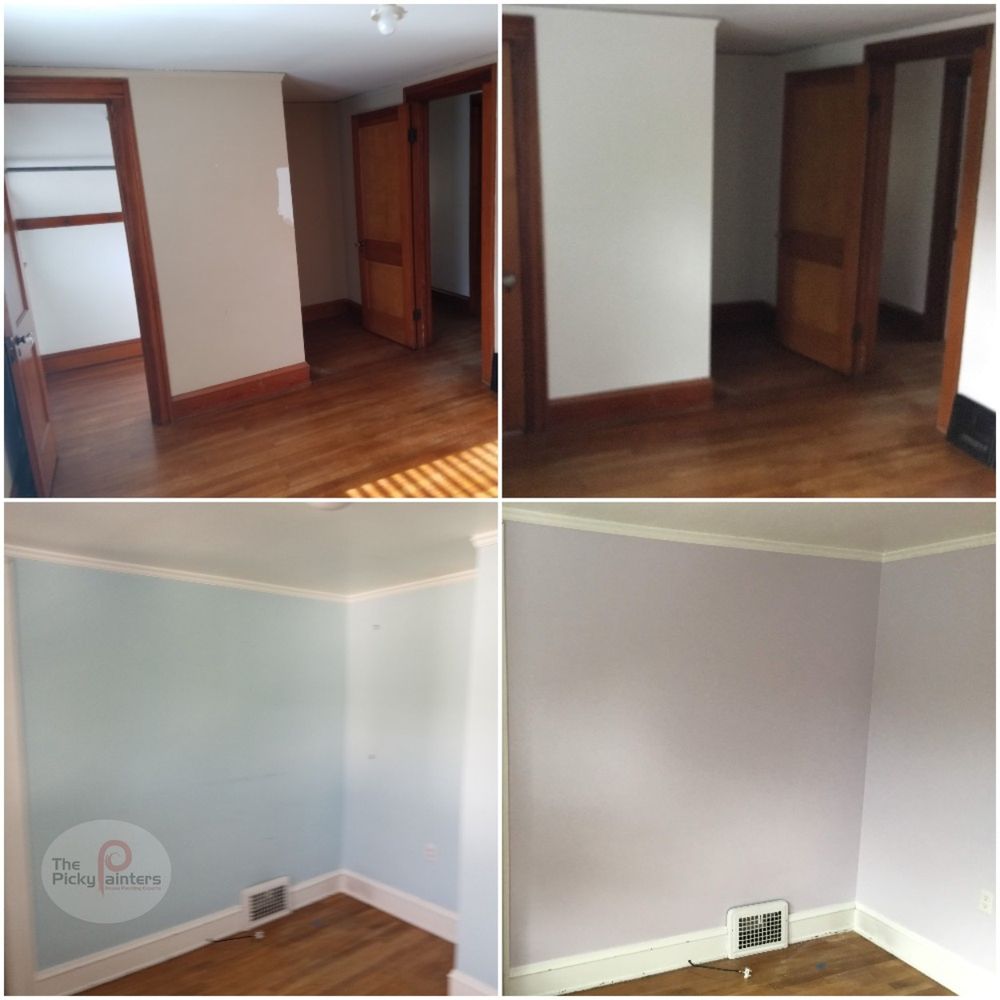
The cost of hiring a professional painter is a complicated subject because many factors are at play, making it essential to understand what goes into the final price. Aside from the supplies, a decent paint job requires a lot of hard labor and expertise that only skilled professionals can provide. A house painter does much more than simply paint your walls; their job involves a thorough process to ensure a high-quality and long-lasting finish. They also prepare the surfaces for painting by cleaning, repairing, sanding, and potentially removing old paint from the walls. This meticulous preparation is crucial for proper paint adhesion and a smooth, flawless appearance. Additionally, professional painters are trained to spot and address potential issues, such as water damage, mold, or cracks, which can affect the project’s outcome. All these steps contribute to the overall cost, but they also ensure that the results exceed your expectations and stand the test of time.
The entire cost of your project is determined by several variables, making it essential to consider each factor when planning your budget. These variables include the project’s square footage, which affects the amount of surface area that needs to be covered, the type of paint used (whether it’s premium, specialty, or standard), the number of gallons required, and the labor cost or hourly rate of the painter. Additional painting expenses, such as surface preparation, repairs, primer, or specialty finishes, can also influence the total cost. Remember that contractors take both labor and materials into consideration when estimating a job, ensuring their quote reflects the time, effort, and quality of products needed to achieve the best results. By understanding these components, you can make more informed decisions and set realistic expectations for your painting project.
Factors That Contribute To The Cost Of Hiring Professional Painters
1. Cost Of Paint
The price of paint is undoubtedly the first significant factor to consider when painting a home, as it can significantly impact your overall budget. A gallon of paint will cover approximately 300 to 450 square feet, depending on the surface texture, color, and application method. Primers typically range from $30 to $50 per gallon, while high-quality paint has a price range of $40 to $70 per gallon, reflecting differences in durability, coverage, and finish. However, prices vary greatly depending on the finish, brand, and quality you choose, with specialty paints or designer brands costing even more. It’s also important to factor in the number of coats required for proper coverage and the specific needs of your project, such as moisture resistance or stain-blocking features. By investing in the right paint, you can ensure a longer-lasting and more attractive result for your home.

Depending on the brand, an average gallon of interior paint costs between $35 and $50. In contrast, an average gallon of exterior paint costs about 10% more due to its added durability and weather resistance. However, most professional painters can buy paint at a discount through supplier relationships or bulk purchasing, which saves them money and sometimes results in better pricing for clients. Investing in high-quality paint always pays off in the long term, as it ensures the best finish, maximum lifespan, and improved resistance to fading, stains, or peeling. High-quality paints also tend to have better coverage, meaning fewer coats are needed to achieve a flawless look. While the initial cost may be higher, the reduced need for touch-ups and longer intervals between repaints make it a cost-effective choice for homeowners seeking lasting results.
Before buying paint, consider the room’s size and the property’s exterior as well, since these factors directly impact how much paint you’ll need for the project. This is because the more surfaces you paint, the more you need to buy, and it’s essential to have an accurate estimate to avoid running out mid-project or over-purchasing. Moreover, dark and textured surfaces must be considered since they require more paint to achieve even coverage and a consistent finish, often necessitating additional coats. Remember that other materials might be needed for the job aside from these, such as primers, caulking, painter’s tape, brushes, rollers, drop cloths, and cleaning supplies. By accounting for all these variables in advance, you can better plan your budget and ensure a smooth, efficient painting process from start to finish.
Drop cloths, tape, rollers, brushes, and items like caulk and spackle are some additional products typically used when repainting. They play a crucial role in achieving a professional-looking finish. These materials help protect your floors and furniture, create clean lines, and repair any imperfections on the surfaces to be painted. A professional painter already owns all these materials, which is one reason why hiring an expert can be more convenient and efficient. However, if you want to do it yourself, expect to spend an extra $50 to $200 on supplies, depending on the size and complexity of your project. Investing in quality tools and materials not only makes the job easier but also contributes to a smoother, longer-lasting result that you’ll be proud of.
2. Cost Of Labor/Prep Work
Hiring professional painters is worth it, especially if you see how they do the prep work, which is often the most time-consuming and crucial part of the entire painting process. They need to make some preparations, such as taping the edges of the walls, covering the furniture, and protecting the floor with drop cloths or plastic sheeting to prevent any accidental spills or splatters. These jobs can take several hours to complete, depending on the space’s size and complexity, but they are essential for achieving crisp lines and a flawless finish. Preparation is as important as the house painter’s skills and experience, as it lays the foundation for a high-quality, long-lasting paint job and ensures that every detail is handled with care and precision.
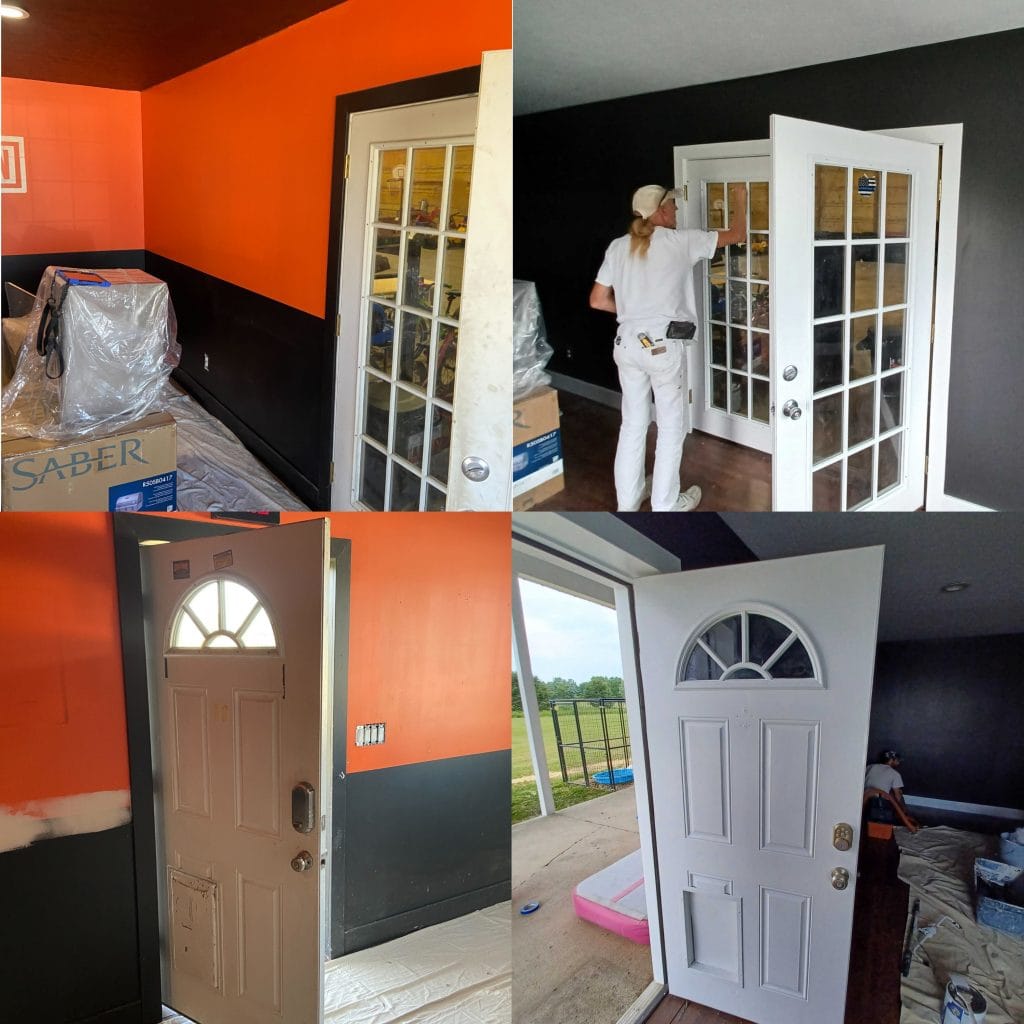
Most professional painting bids will include some basic prep work, such as patching small holes, sanding rough areas, and cleaning surfaces, but more extensive repairs beyond the standard will increase the expenses. If your walls require significant patching, mold remediation, or fixing water damage, these tasks will typically be added to your estimate. Preparing your surfaces and space ahead of time will help keep prep hours to a minimum, saving you money by allowing painters to focus on the actual painting rather than time-consuming repairs. Having areas prepared in advance will also help you save time, ensuring the project progresses smoothly and is completed on schedule. By taking these steps, you can make the painting process more efficient and cost-effective, while still achieving professional-quality results.
However, some preparation tasks, such as removing outdated popcorn ceilings or washing drywall damaged by mold or mildew, are better left to professionals due to the specialized skills, tools, and safety precautions required. Attempting these tasks without the proper expertise can lead to further damage or even health risks, especially when dealing with mold or asbestos in older popcorn ceilings. Painting companies can charge between $50 and $100 per hour for both interior and exterior jobs, reflecting the complexity and labor involved in these projects. Their pricing can vary depending on factors such as experience, company reputation, location, and the condition of the walls, as more extensive repairs or prep work will naturally increase the overall cost. By hiring professionals, you ensure that these challenging tasks are completed safely and effectively, setting the stage for a flawless paint job.
What To Know Before Hiring Professional Painters
It’s a good idea to start by asking friends or neighbors for advice when looking to hire a professional painter. A brief online search can help you find local painters by checking their reviews and ratings.
Ask your friends for recommendations, and visit websites or a nearby hardware or paint store. But don’t simply compare prices. Consider what is offered, including insurance, customer service, timetable, etc.
Understanding the difference between labor and material costs is crucial when analyzing a bid. You can always request a more thorough breakdown of the charges if they haven’t been divided up appropriately. Always have a formal contract, even if it’s straightforward.
Benefits Of Hiring Professional Painters
The advantage of hiring a professional painter is that you can relieve yourself of the worry of such a significant home makeover by leaving it in the experts’ hands. A pro can save you time by doing the task swiftly and with a quality that is frequently higher than DIY.
House painters understand precisely what to do, what tools to use, and which paints to use to give your home the desired look. If you are in the Cleveland area and planning a paint job, you can contact The Picky Painters. We guarantee high-quality work, and you’ll get your money’s worth.
Frequently Asked Questions
-
What factors determine the cost of hiring professional painters?
The total cost depends on factors such as square footage, paint type and quality, labor rates, and additional expenses like surface preparation. Contractors account for both materials (e.g., primers, paint, brushes) and labor hours when estimating. -
How much does paint cost per gallon?
Interior paint averages $35–$50 per gallon, while exterior paint costs about 10% more. High-quality options range from $40 to $70 per gallon, with primers costing $30 to $50. Professional painters often purchase paint at discounted rates. -
What labor costs are involved in painting projects?
Labor rates typically range from $50 to $100 per hour, varying by location, painter experience, and wall condition. Prep work (e.g., taping edges, covering furniture) is usually included but may increase costs if extensive repairs are needed. -
Does exterior painting cost more than interior?
Yes, exterior paint is generally 10% more expensive than interior paint due to its durability requirements. Additionally, exterior projects may require more labor for surface preparation and may be affected by weather-related challenges. -
Why hire professionals instead of doing it yourself with painting?
Professionals save time, ensure high-quality finishes, and handle complex tasks like mold remediation or popcorn ceiling removal. They also provide warranties and expertise in selecting tools and paints for long-lasting results.