Does Lighting Affect Paint Color Tone? – The Picky Painters
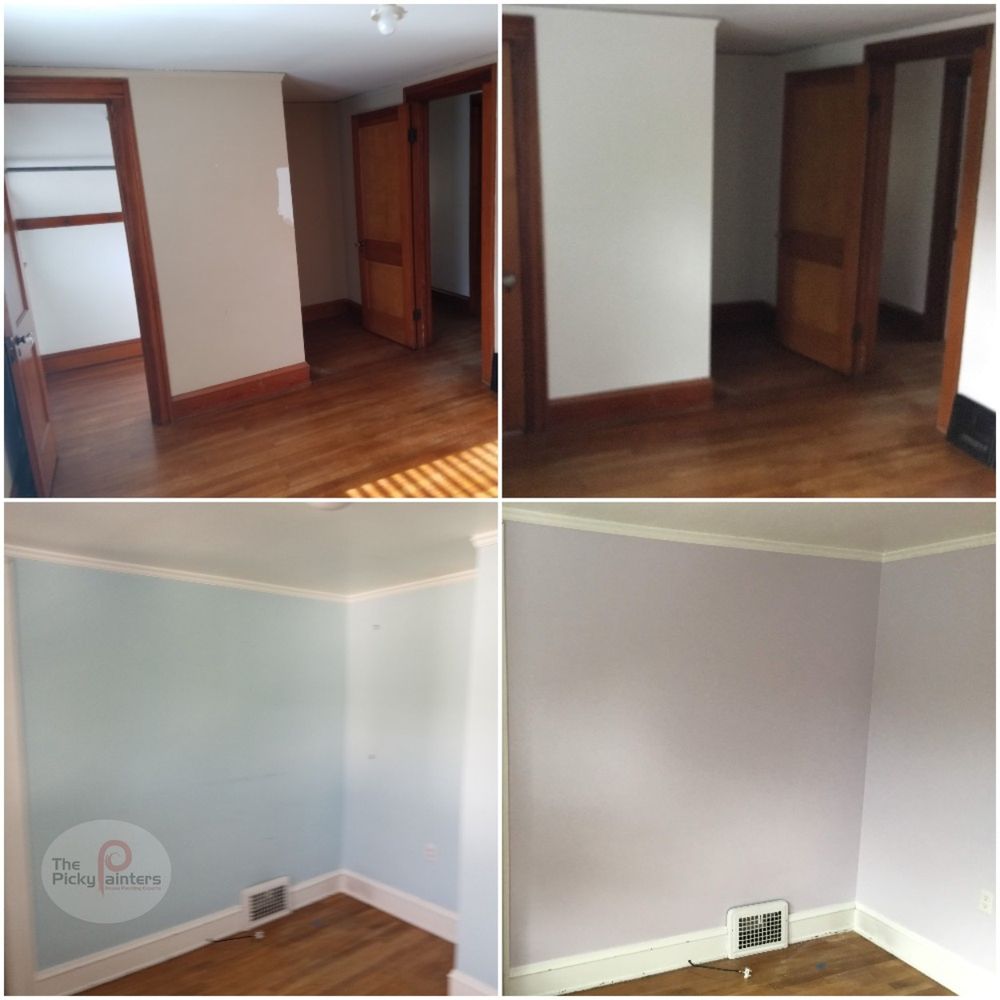
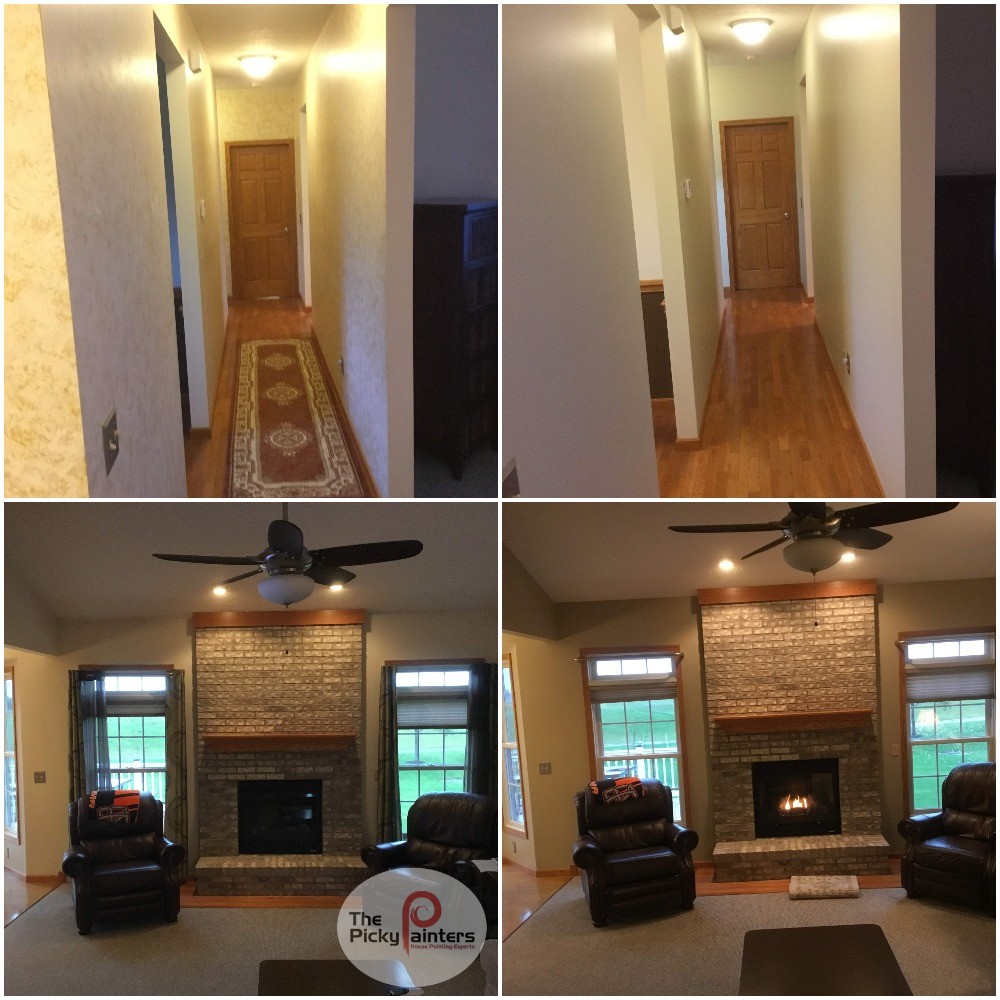
Absolutely—lighting can change the way a paint color reads on the wall, sometimes dramatically. A shade that looks like a soft greige on a swatch can skew blue in one room, while a “warm beige” can deepen into a tan or light brown in another because the light source is different.
The key idea is simple: paint doesn’t create color on its own—it reflects the light hitting it. Change the light, and you change what your eyes perceive as the color’s tone, depth, and undertone.
Why paint shifts after it’s on the wall
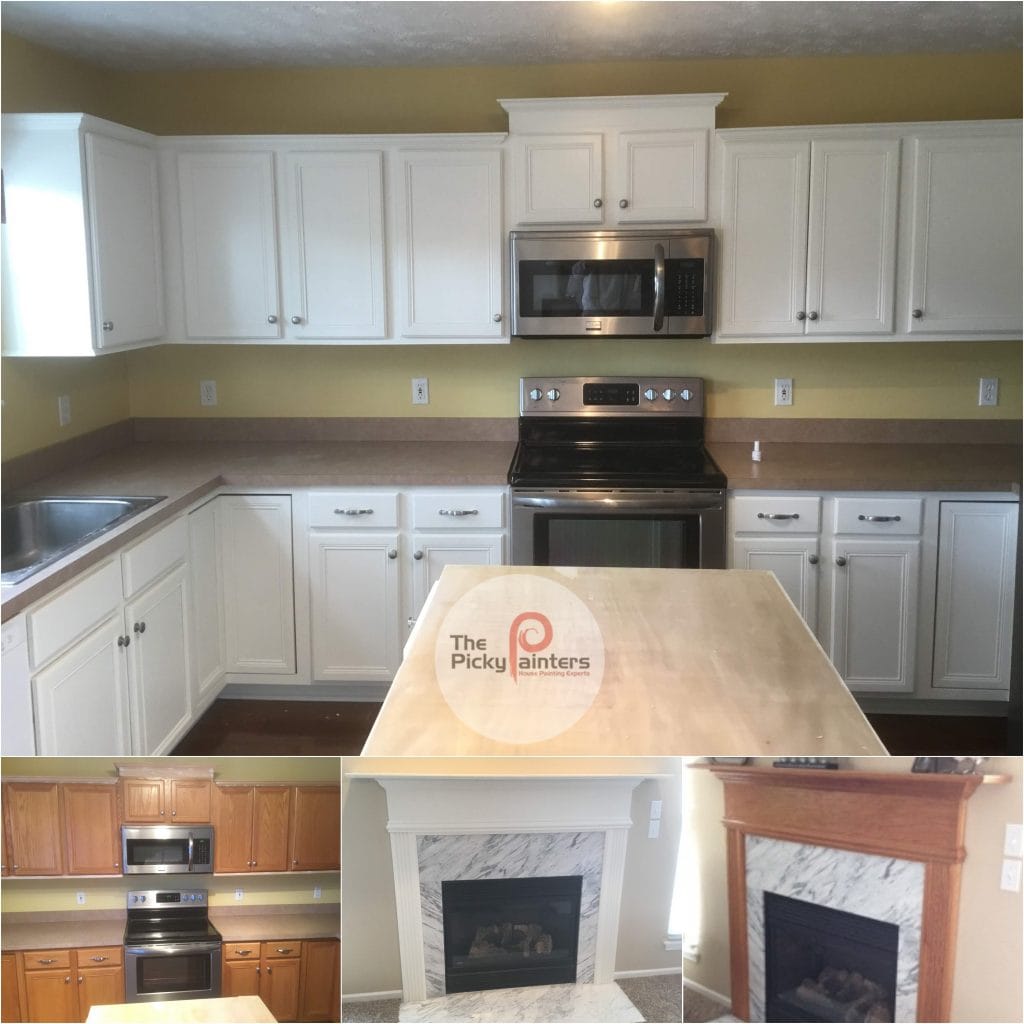
A paint chip is a tiny sample viewed under one set of conditions. Your room is a full environment—windows, shadows, bulb temperature, fixture direction, sheen, and nearby surfaces all interact with the paint and influence how it appears.
Common “surprises” homeowners notice include:
-
Warm neutrals looking heavier or more yellow/tan in certain rooms.
-
Cool grays reading blue or purple when the room has cool daylight or cool bulbs.
-
Whites turning creamy under warm bulbs or looking stark under cooler lighting.
Natural light: time of day + window direction
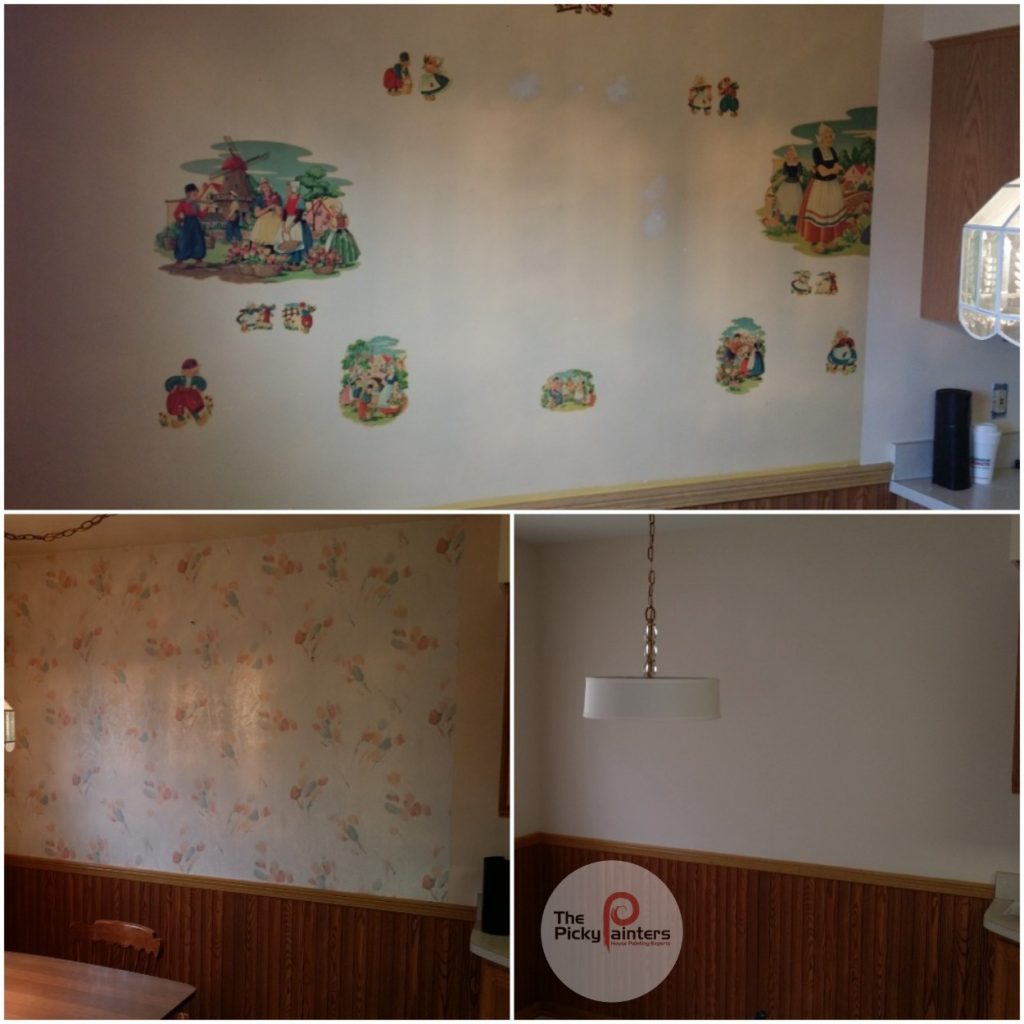
Daylight isn’t constant—its color and intensity change throughout the day, which is why the same wall can look different in the morning versus the evening. Window direction also changes the quality of light entering the room, which can exaggerate or soften undertones.
How exposure affects paint tone
-
North-facing rooms: Light tends to feel cooler and less direct, so cool undertones can become more noticeable and colors may appear more subdued.
-
South-facing rooms: Stronger daylight can make colors feel brighter and can warm up how many shades read.
-
East-facing rooms: Brighter earlier, then softer later—paint often looks clearest earlier in the day and flatter later.
-
West-facing rooms: Light warms up later; colors can look richer and warmer in late afternoon/evening.
Artificial light: Kelvin and CRI (this is where most issues come from)
Artificial light doesn’t just “brighten” a room—it can push a paint color warmer or cooler depending on the bulb you use.
Color temperature (Kelvin)
Kelvin describes how warm or cool a “white” bulb looks: lower Kelvin reads warmer/yellower, higher Kelvin reads cooler/bluer. That difference can shift how neutrals behave—especially whites, grays, beiges, and greiges.
CRI (Color Rendering Index)
CRI is a measure of how accurately a light source shows colors compared to natural light, on a 0–100 scale. Higher CRI lighting generally reveals paint colors more faithfully, while low CRI can make tones look dull, grayish, or “off.”
Fixture direction and shadows
Recessed cans, pendants, sconces, and lamps create different shadow patterns across walls. Shadows can make the same paint look deeper in corners and lighter in open areas, which is why some colors feel inconsistent until lighting is addressed.
Sheen matters: the same color can look lighter or darker
Paint sheen changes reflectivity. Higher sheen reflects more light, which can make a color appear brighter and can highlight texture; flatter finishes reduce glare and often make the color feel calmer and more uniform.
A practical rule many pros follow:
-
Matte/eggshell for most walls (balanced look and cleanability).
-
Satin/semigloss for trim, doors, and cabinetry where durability and wipeability matter.

How to test paint so it looks right the first time
Before committing to gallons, test your finalists the way you’ll actually live with them:
-
Put samples on multiple walls (or use large sample sheets), not just one small spot.
-
Look at them in morning, midday, evening, and night with lights on.
-
Test with your real bulbs (same Kelvin), and aim for higher CRI if color accuracy matters.
-
View samples next to fixed finishes: flooring, counters, cabinets, tile, and large furniture.
-
Decide in the room itself—don’t judge color from a hallway or doorway where the lighting is different.
When a professional painter helps most
If you’re choosing tricky neutrals (white/gray/greige/beige) or painting open-concept areas where lighting varies, professional guidance can prevent costly “paint twice” scenarios. Pros also help confirm the right sheen for walls vs trim/cabinets and can recommend a sampling plan that matches the room’s real lighting.
FAQ
Why does paint look different in the store than at home?
Stores often use brighter, cooler commercial lighting, while homes use mixed lighting (warmer bulbs, shadows, variable daylight), which can reveal undertones you didn’t notice on the chip.
Does natural daylight really change undertones?
Yes—daylight shifts across the day and varies by window direction, which can make the same color read cooler, warmer, lighter, or deeper at different times.
What bulb should be used when choosing paint?
Use the bulb type you’ll keep in the room, and consider higher-CRI options to see paint colors more accurately; Kelvin choice (warm vs neutral vs cool) will influence how the color reads.
How can color shifts be prevented?
Test large samples on multiple walls and evaluate them through a full day and at night under your actual lighting.
Does sheen change paint color tone?
It can—higher sheens reflect more light (often making color look brighter), while flatter finishes reduce glare and can make the color feel more consistent.