Exterior Painting Ladder Safety Tips | The Picky Painters
Exterior painting can be time-consuming, physically demanding, and harder than it looks—especially once ladders enter the equation. Painting outside isn’t just “apply paint and done”; it involves prep work, shifting weather conditions, and working around uneven ground, landscaping, windows, gutters, and rooflines.
If you’re not comfortable with heights (or you’re unsure about safe ladder setup), it’s usually smarter to bring in a crew that does this every day. Hiring a professional painter helps reduce risk because experienced painters know how to position ladders, move them safely, and avoid common fall hazards.
Still planning to DIY? Use the safety guidelines below before starting.
Safety Tips for Using Ladders During Exterior Painting
1) Start with a quick self-check
Ladders demand balance, focus, and steady movement. Don’t climb if you’re:
-
Lightheaded, exhausted, or dealing with an injury
-
Under the influence of alcohol
-
Taking medication that affects coordination or alertness
If you’re not 100%, postpone the ladder work. Exterior painting can wait—recovering from a fall can take months.
2) Wear stable footwear and protect the home’s surfaces
For ladder work, footwear matters. Choose shoes/boots with:
-
Strong grip (non-slip soles)
-
A snug fit (no loose sandals)
-
Good ankle support when possible
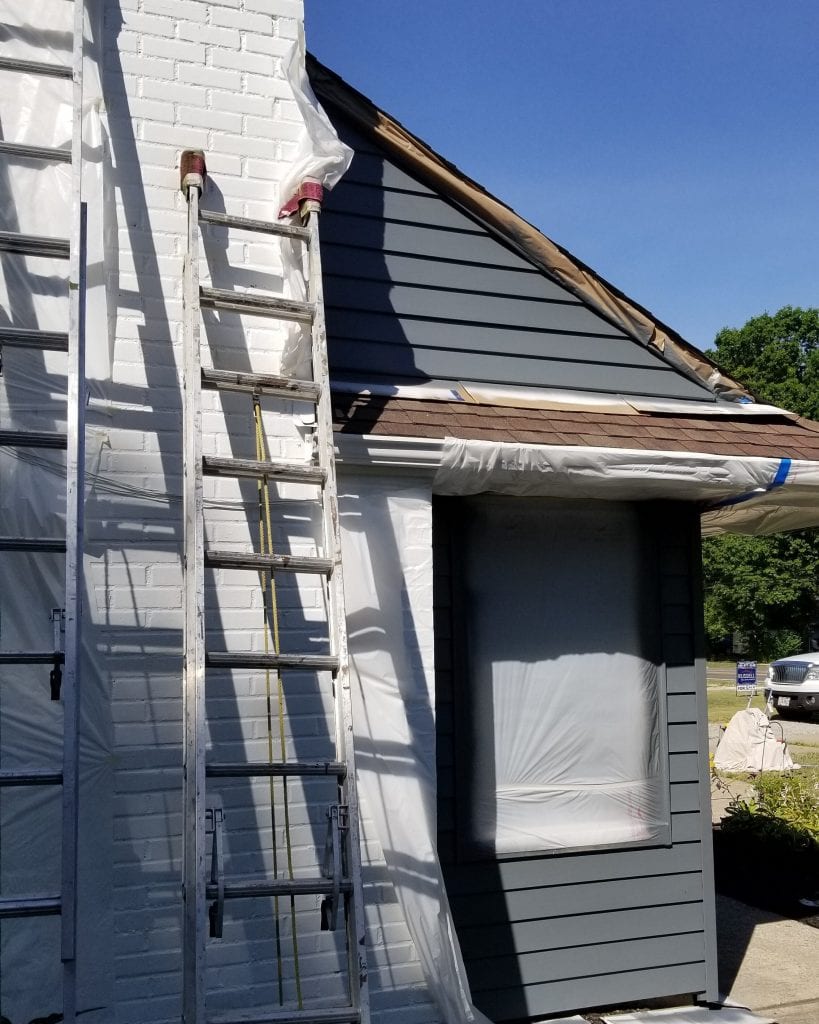
Also, remember that many extension ladders have hard edges that can scuff or dent siding, trim, and gutters. Before leaning a ladder against the home:
-
Add protective padding at contact points
-
Use a ladder mitt/cover or a soft barrier to avoid damage
3) Pick the right ladder (type, height, and rating)
Use a ladder that matches the job—not whatever is closest in the garage.
Match ladder type to the task
-
Small touch-ups at low height: step ladder may be enough
-
Higher walls, gables, fascia, or second story: extension ladder is typically required
Choose the correct height
A ladder that’s too short encourages unsafe reaching; a ladder that’s too tall is harder to control and reposition.
Confirm the duty rating
Your ladder must support your body weight plus what you carry (tools, paint, gear). Many ladders are rated by “grades” (commonly presented as Grade III, II, I, and IA, with higher grades designed for heavier duty use).
Practical guidance for painting:
-
Avoid using light-duty ladders for high exterior work
-
Heavier “industrial” ladders can be safer structurally, but they’re also harder to move—so reposition carefully and never “shuffle” them while standing on them
If you’re unsure what grade you need, choose a ladder rated for heavier use than you think you’ll require.
Know more about us: https://thepickypainters.com/
4) Set the ladder on solid, level ground
Many ladder incidents happen before painting even begins—during setup.
Before climbing:
-
Place the base on firm, stable ground (not soft soil, loose gravel, wet grass, or uneven pavers)
-
Ensure the ladder won’t wobble side-to-side
-
Make sure the top of an extension ladder rests on a secure, stable surface
If the area is tricky (roof edges, dormers, gutters, or windows), use the right accessories:
-
Stabilizers / standoffs can help clear gutters and improve stability
-
Arms can help distribute weight and keep the ladder off fragile areas near windows
Rule to follow while climbing and painting:
Always maintain three points of contact—two feet and one hand, or two hands and one foot.
5) Respect weather and nearby hazards
Outdoor conditions can change quickly—and ladders don’t forgive mistakes.
Avoid ladder use when:
-
It’s raining or surfaces are wet
-
Winds are strong (especially at higher elevations where gusts feel worse)
-
Storms are approaching
Also, never place or carry a ladder near overhead power lines. If electrical wires are close to the work area, the safest option is to stop and reassess the plan (or hire a professional).
Not sure a ladder is the right move?
If ladder work feels uncomfortable—or the setup isn’t clearly safe—bring in professionals instead of pushing through. For homeowners in the Cleveland area, reach out to The Picky Painters to discuss your exterior painting project.
Contact options:
-
Phone: (216) 677-9801
-
Email: joe@thepickypainters.com
You can also learn more about our services here: https://thepickypainters.com/
Exterior Painting Examples
Want to see real project results before getting started?
-
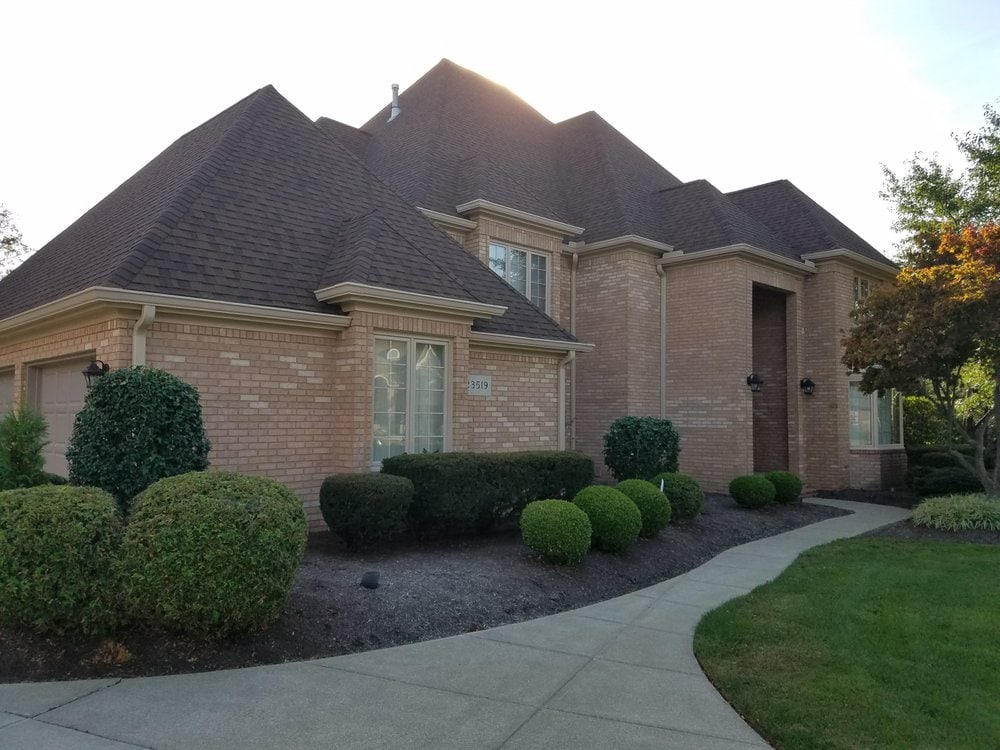
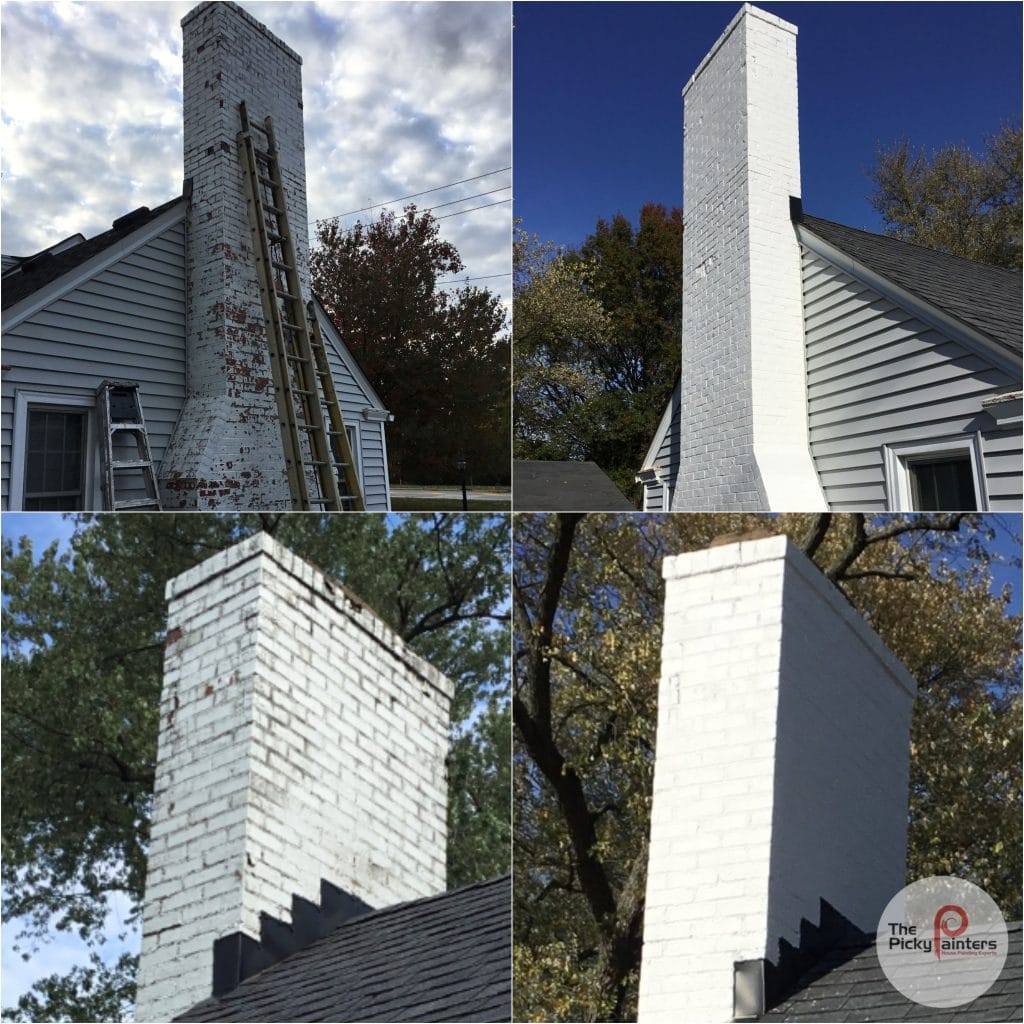
North Olmsted, Ohio: A small exterior refresh where brick was pressure washed to remove loose material and improve adhesion before applying a specialty brick coating.
-
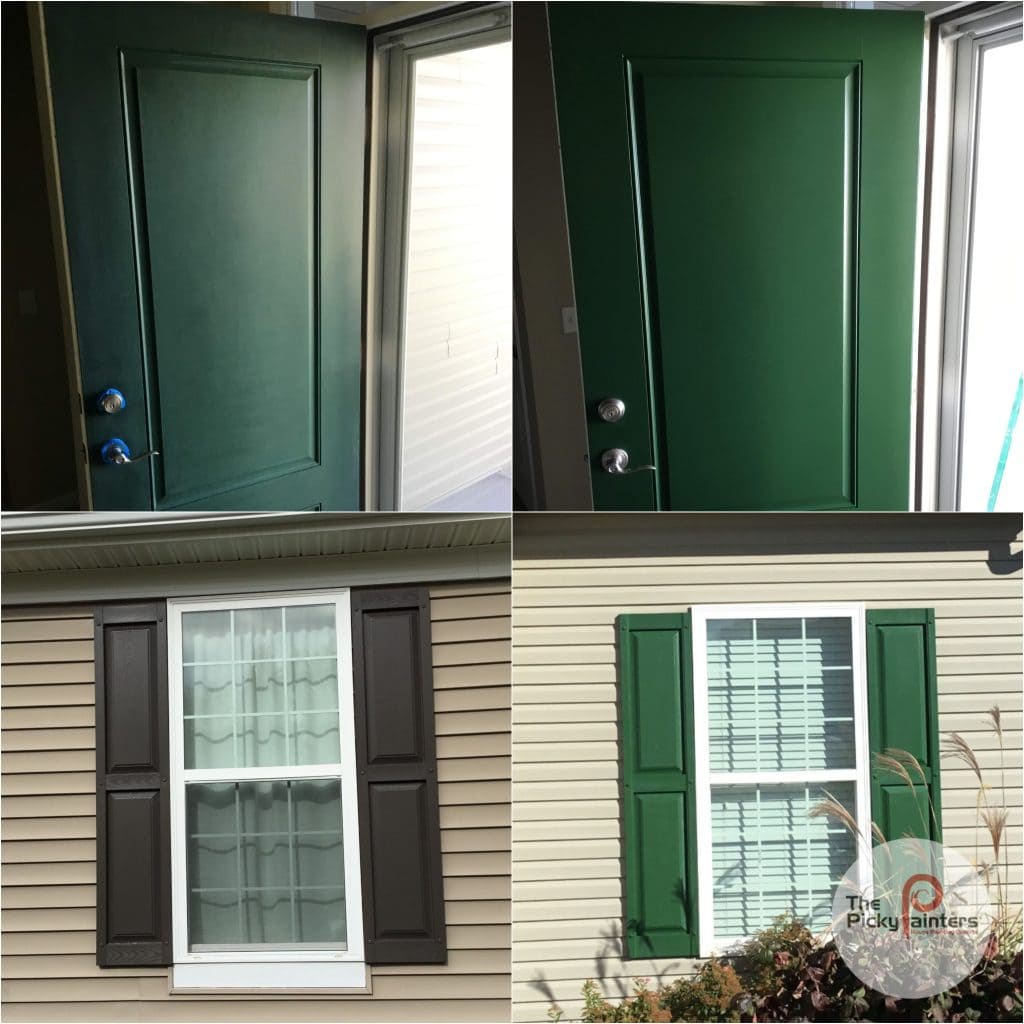
North Ridgeville, Ohio: Exterior trim update to improve curb appeal after years of fading (darker colors typically show fading more than lighter shades). Interior painting was also completed during the same project.
FAQ
Why is leaning too far (overreaching) a big ladder risk?
Overreaching moves your center of gravity outside the ladder rails, which increases the chance of tipping. The safer choice is to climb down and move the ladder instead of stretching.
How can I confirm my ladder placement is safe?
Start with stable, level ground and a firm top contact point. A common rule is setting the base one foot away from the wall for every four feet of ladder height. If the surface is uneven or soft, stabilize it properly before climbing.
What’s more dangerous: rushing or using the wrong ladder?
Both cause falls. Rushing leads to skipped checks and sloppy movement, while the wrong ladder forces awkward body positions. The safest approach is using the correct ladder and moving slowly and deliberately.