7 House Siding Options for Strongsville Homes: Paint or Replace?
Strongsville exteriors deal with big temperature swings, wet seasons, and long winters—so siding doesn’t just need to look good, it needs to stay sealed and stable year after year. If your home looks tired from the curb, the fastest path is often paint; but if the siding system is failing, replacement may be the only long-term fix.
This guide walks through seven common siding materials and helps you decide whether a repaint will perform well or whether it’s time to rebuild the exterior surface.
Start here: paint or replace?
Use the checks below before getting into material specifics.
Painting is usually the right call when:
-
Siding is secure and flat (no major buckling, shifting, or loose runs).
-
Damage is limited to small sections you can repair (a few boards/panels, not entire walls).
-
The main problem is cosmetic: fading, chalking, patchy color, minor peeling, or dated styling.

Replacement is usually the right call when:
-
Moisture is getting behind the siding (soft spots, staining that returns, recurring mold/mildew, interior leaks).
-
There’s widespread deterioration (rot, crumbling edges, repeated cracking, large-scale warping).
-
You want a new exterior “system” (new insulation layers, drainage plane details, flashing corrections, or a major style change).
Table of contents
-
Vinyl siding
-
Wood siding
-
Fiber cement siding
-
Brick (painted or unpainted)
-
Metal siding (aluminum or steel)
-
Stucco
-
Stone veneer
-
Painting vs. replacing: what really changes the total cost

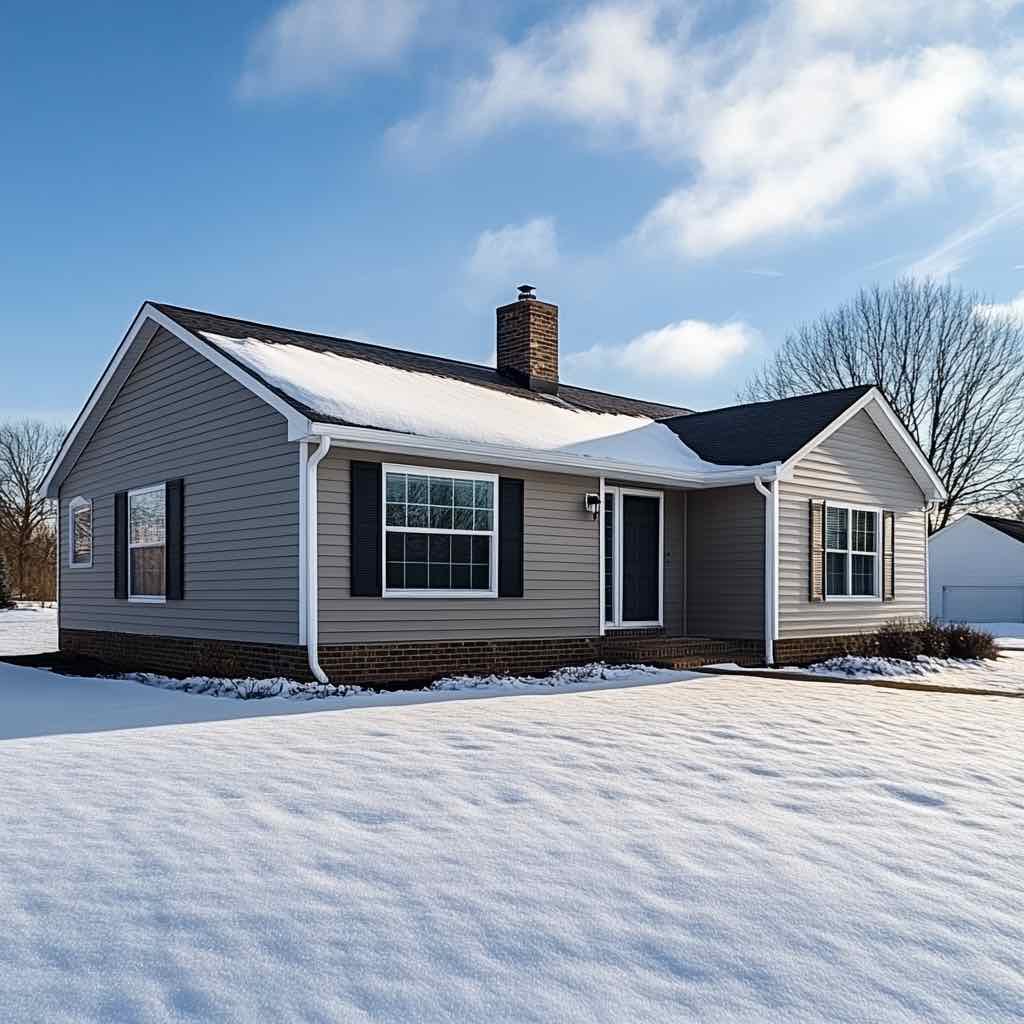
1) Vinyl siding
Vinyl is common in Strongsville because it’s moisture-resistant and typically low-maintenance, but it can fade and look “washed out” over time. Painting vinyl can be a strong upgrade when the siding lays flat and the surface is properly cleaned and prepped.
Choose paint when:
-
Panels are straight and securely locked in place.
-
You’re updating color and improving curb appeal without changing the profile.
Choose replacement when:
-
Sections are warped from heat, cracked from impact, or no longer hold tight at seams.
-
You want insulated vinyl, a different lap style, or a brand-new look.
2) Wood siding
Wood siding can look premium, but it’s less forgiving in humid climates if water gets behind paint or stain. Painting works well when the wood is still firm and repairs are manageable.
Choose paint when:
-
You’re dealing with normal aging: peeling in spots, hairline checking, sun wear, or minor splitting.
-
You can fix small areas first (patching, board swaps, sealing joints).
Choose replacement when:
-
Rot is widespread or boards feel soft/spongy.
-
You’re repainting frequently because moisture problems keep returning.
3) Fiber cement siding
Fiber cement is a popular “best of both worlds” option—wood-like appearance with better resistance to pests and moisture. It’s also a good candidate for repainting when boards are intact and the goal is a clean, modern color refresh.
Choose paint when:
-
Boards are solid and the finish is simply faded or dated.
-
You want a new color scheme without reconstructing the exterior.
Choose replacement when:
-
Cracks repeat across multiple boards or edges are failing.
-
Installation details are causing chronic water entry (problem flashing, bad transitions, or persistent wet seams).
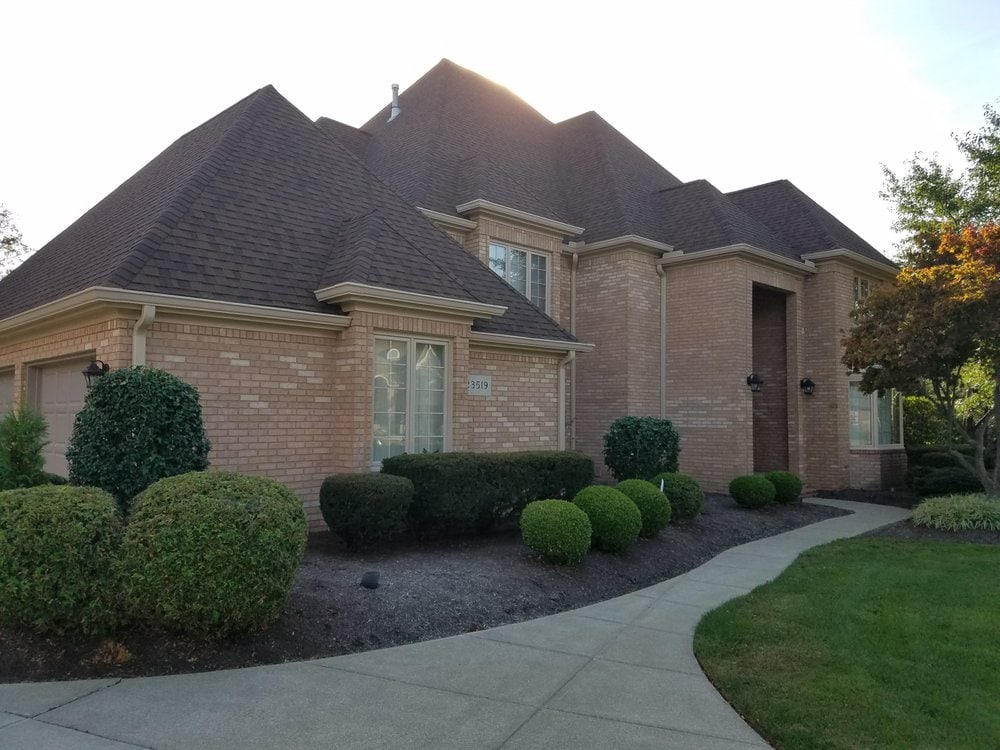
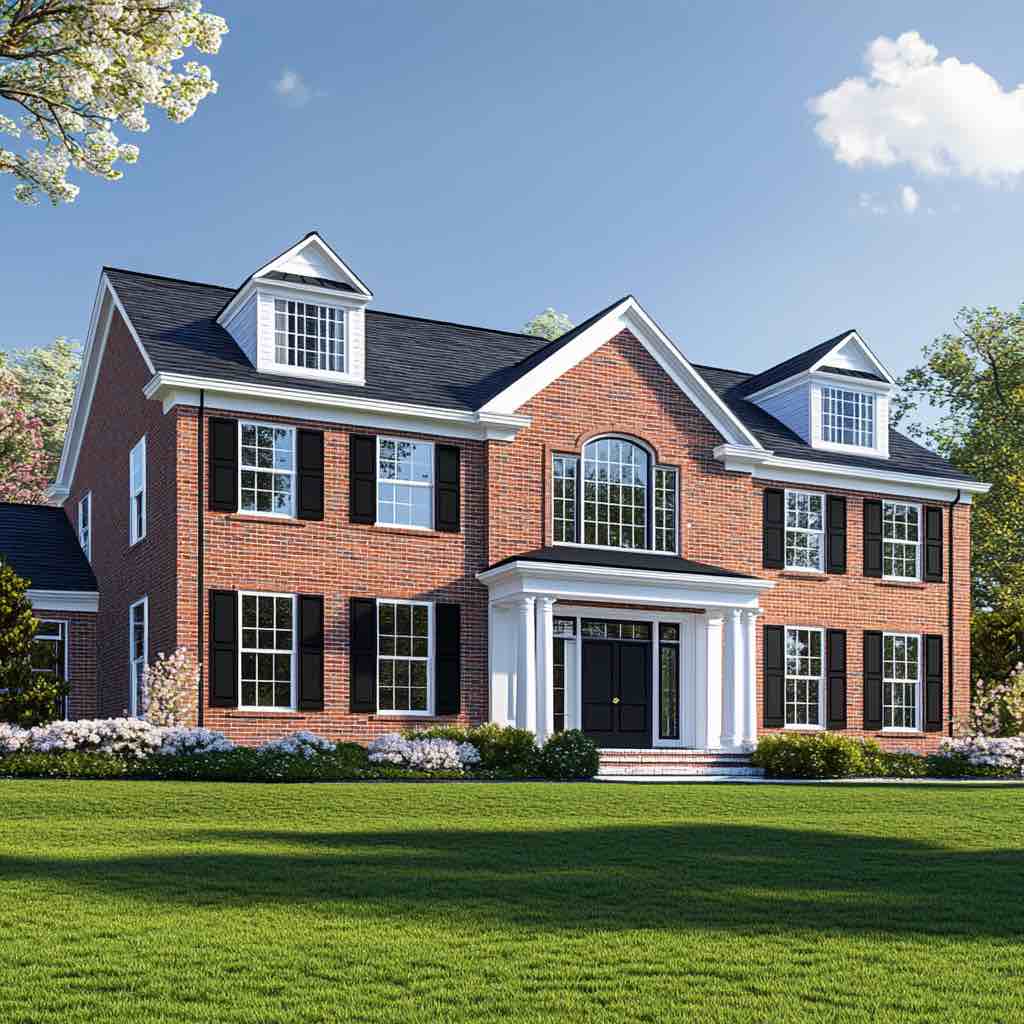
4) Brick (painted or unpainted)
Brick is durable, but Strongsville’s freeze/thaw cycles can stress mortar joints and allow water to work its way into vulnerable areas. Painting can dramatically change the look, but it should only be done after confirming the masonry is sound and moisture isn’t trapped.
Choose paint when:
-
Brick and mortar are stable, and your goal is an exterior style update.
-
You’re willing to prep thoroughly (cleaning and repairs first).
Choose repair/rebuild when:
-
Mortar is deteriorating, brick is spalling, or water issues are visible.
-
The wall needs restoration more than it needs a color change.
5) Metal siding (aluminum or steel)
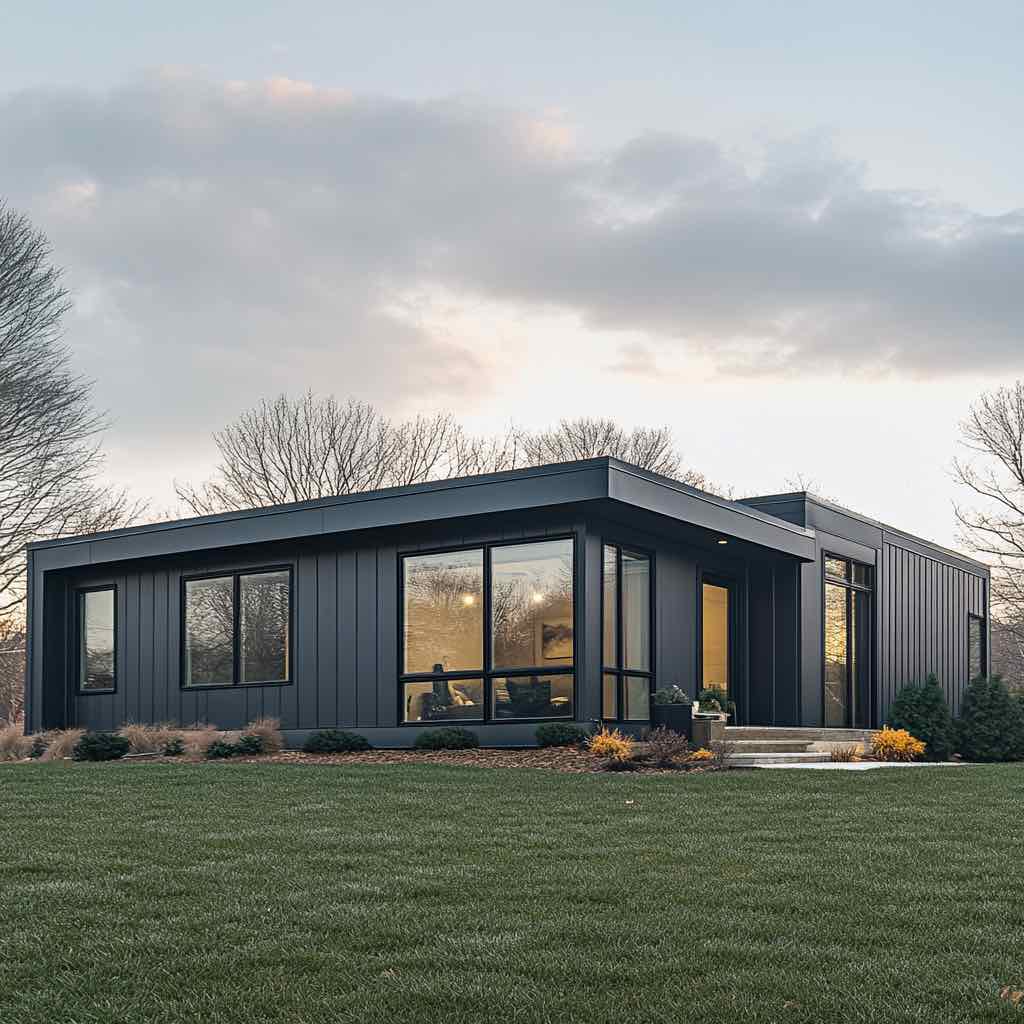
Metal siding can last a long time, but dents, oxidation, and chalking coatings can make it look tired. Painting is often a great option when panels are firmly attached and corrosion is not extensive.
Choose paint when:
-
Most panels are in good shape and you want a cleaner, updated finish.
-
You can address small dents and oxidation during prep.
Choose replacement when:
-
Rust-through is widespread or panels are loosening across large sections.
-
You want a different architectural style altogether.
6) Stucco
Stucco is less common in Northeast Ohio, but it can show cracking from movement and moisture if not maintained. Painting can work well when cracking is minor and repairs are completed before coating.
Choose paint when:
-
Cracks are small and repairable, and the surface is otherwise stable.
-
You want a uniform finish that refreshes the home’s look.
Choose major repair when:
-
Cracks are wide, areas sound hollow, or sections are separating.
-
Moisture symptoms appear behind the stucco.

7) Stone veneer
Stone veneer adds a high-end look, but failure points are often in the bonding, joints, and moisture details—not the “stone” itself. Painting can modernize veneer visually, but only if the veneer is secure and stable.
Choose paint when:
-
Veneer is firmly attached with no shifting or loose pieces.
-
You want a cohesive color update to match siding/trim.
Choose replacement/repair when:
-
Stones are loosening, movement is visible, or moisture is getting behind the assembly.
-
There are widespread failures at corners, edges, or transitions.
Painting vs. replacing: what really changes the total cost
Painting and replacement can look similar from the street, but they’re priced differently because the scope is different. Painting costs are driven mostly by prep time (washing, scraping, sanding, caulking, priming), height/access, number of colors, and how much trim/soffit/fascia is included.
Replacement costs grow quickly because you’re often paying for removal/disposal, hidden repairs (sheathing, rot, flashing corrections), and reworking details at transitions—plus optional upgrades like added insulation or a new style/profile. That’s why a “simple siding replacement” quote can expand once the old layers come off and issues are discovered.
Strongsville exterior painting CTA
If your siding is still structurally solid, a professional repaint can be the fastest way to refresh curb appeal and protect the exterior before small problems become expensive ones. If you’re unsure whether your siding is paintable, schedule an exterior assessment and get a clear recommendation based on the material, condition, and exposure.

FAQs
Is it ever a bad idea to paint siding?
Yes—painting is a poor choice when the material is actively failing (widespread rot, major warping, loose panels) or when moisture problems aren’t fixed first.
What are the biggest “red flags” that replacement is needed?
Soft wood, recurring water stains, repeated cracking/warping across large areas, and sections that won’t sit flat or stay fastened are common signals replacement (or major repair) is smarter than paint.
Can you paint multiple materials on the same house (siding + trim + gutters)?
Yes, but the process typically changes by surface type, so prep and primers must be matched correctly to avoid peeling and early failure.
How can Strongsville homeowners make paint last longer on siding?
Long-lasting results usually come from thorough washing, dry-time planning, sealing joints, spot repairs, and using a coating system designed for the specific siding material.
Should you replace siding before selling, or just paint?
If the siding is sound, painting often delivers a noticeable curb-appeal improvement quickly; replacement is usually best when visible defects or moisture issues could raise buyer concerns during inspection.